We traded physical worship for a program—and it cost us. Biblical rhythms and historic practices got shelved for better lighting and longer sermons. We’ve lit the stage and dimmed the people showing our preference for performance over participation.
Worse than that, we’ve allowed our practice to dillute our doctrine. We’ve traded tradition for novelty, often in ways that don’t really square with the New Testament. And then we complain about people taking a consumeristic posture towards church.
Watered-Down Baptism & Low-Cal Communion
Scripture makes worship tangible. We lift holy hands (1 Tim. 2:8). We pass through baptism not as a one-time rite, but as a lifelong reminder of assurance and resolve for obedience (Rom. 6). And at the Table, we don’t just recall Christ—we taste and share in him (John 6).
For most of church history, believers treasured these embodied practices. Their loss has led many to rethink their denominational homes. There’s more to the story, yes, but not less. And good Baptists like me don’t want to miss out on the physical weight of faith, the sights and senses that preach identity to our souls.
Too often we water down baptism by focusing on what it’s not. We turn the Lord’s Supper into a weapon of introspection instead of a feast of celebration. We let Corinth’s worst sins control the entire narrative. The ordinances become tools to pressure church members rather than means of comfort and grace. That approach hardens skeptics and bruises tender consciences.
Through the Red Door
Many of us wonder: did we lose something when we left all the bells and smells behind? Can low-church Protestants recover balance? I think so. I hope so.
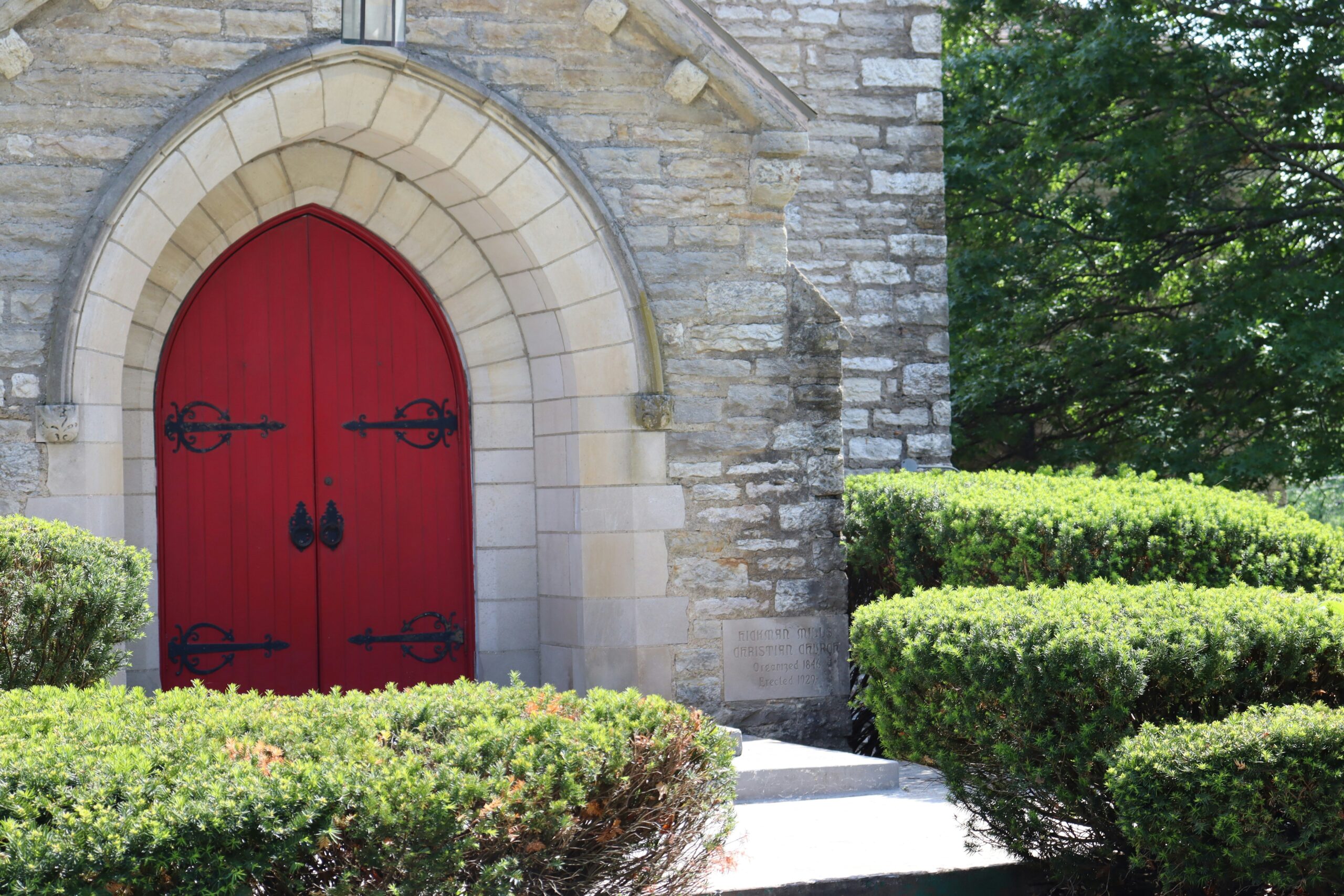
I think of the red doors on the Episcopal church we pass each Sunday on our way to our Baptist church—doors meant to remind worshipers they enter only through Jesus’ blood, yet enter welcomed and worthy in him. I like that.
What if, instead of fixating on what things like baptism and the Lord’s table aren’t, we let them shape us as they were meant to?
In baptism we go down into a watery grave with Christ and rise to walk in an imperfect yet new life. At his Table we remember: we are welcome—not because we performed, but because he rescued us. We came through the red door. We are gathered, accepted, loved. At his Table we share in his life.
Finding Assurance in Practices that Point Beyond Yourself
If assurance rests on looking inward, we’re in trouble. Jeremiah says the heart is deceitful (Jer. 17:9). John answers: even when our heart condemns us, God is greater than our heart (1 John 3:20). As my friend, the Christian rap artist Flame, likes to say, we must look extra nos—Latin for “outside ourselves.” That’s where these physical practices should point us.
However your church speaks of these things, lean into the physical reminders that lift your heart to grace.
Small Steps Towards Recovery
I’m not saying we need to copy and paste from other traditions—but maybe we need to recover some balance. If nothing else, we can be more intentional on a personal level for ourselves and our families, even if our church doesn’t change. And yes, there may even come a time when these sorts of issues lead us to change our church.
This Sunday, I might just imagine the entrance doors where we worship are painted red. I can lift my hands in worship or prayer—not because I’m better, but because Jesus is better. I’ve gone down with him in baptism. The union of my new llife with his is palpable as I feast with him at his Table. I am his.
And if you trust him, so are you.