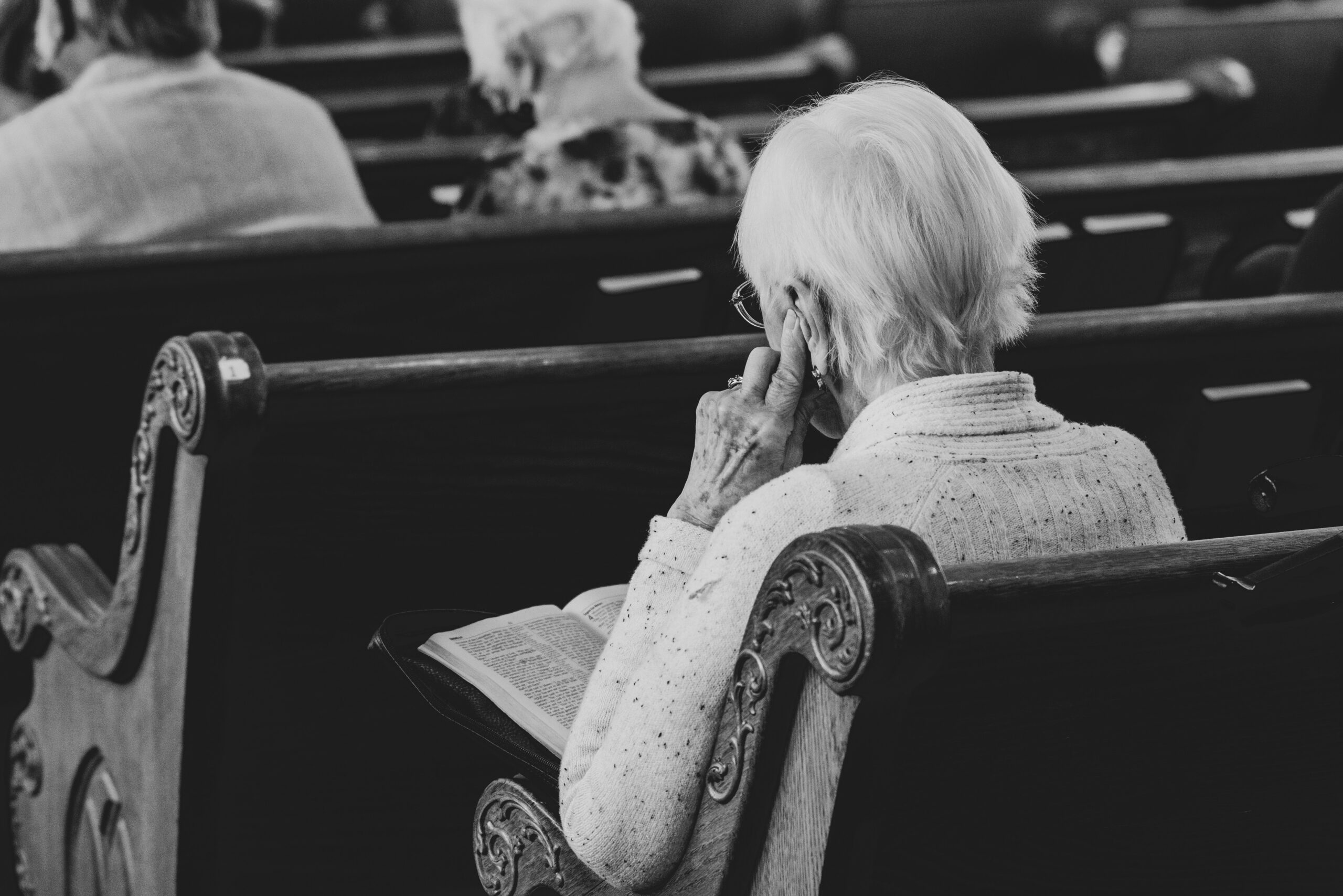
The term “Silver Tsunami” originally refers to the dramatic demographic shift of the Baby Boomer generation into old age—a wave of aging that will reshape society at nearly every level. As the Pew Research Center and Census estimates show, tens of thousands of Baby Boomers turn 65 each day, and by 2030 all Boomers will have reached that milestone. This shift will mean a rapid increase in the proportion of older adults across the United States.
But that same demographic wave is already cresting in the church—a reality that social scientist Ryan Burge has been sounding the alarm about for years. In his research, Burge highlights a looming challenge: American church congregations are significantly older than the population at large, and without intentional action, churches will struggle to thrive (or survive) once this older generation passes on.
The Demographic Reality Facing Churches
In Burge’s analysis of age trends in American religion, he points out that the average churchgoer is 60 years old, far higher than the average age in the general population. Boomers make up a disproportionately large share of regular worship attenders, while younger generations (Millennials, Gen Z) represent a much smaller share.
This aging pew isn’t just a statistic. It has real implications for the life of local churches:
Volunteer pools will shrink as longtime volunteers age out of active ministry and caregiving roles.
Financial giving may decline as fixed incomes replace lifetime earnings.
Leadership pipelines could dry up if younger cohorts aren’t regularly engaged and equipped. And if you’ve tracked with the drop off in birth rates that started with the 2008 recession and has continued to decline every year thereafter, you’ll know that’s a shrinking prospect pool.
Attendance stability weakens, since older adults inevitably face mobility, health, and life-stage transitions that affect their ability to participate regularly. If your church is smaller today than it was ten years ago, just imagine what it will look like ten years from now.
The “Silver Tsunami” is not merely a challenge—it’s an impasse that will force churches to rethink purpose, community, and strategy.
Mix in Massive Church Decline
The aging population and drop off in birthrates aren’t the only concerns. Congregations aren’t just graying, they’re thinning out. It’s not like it’s just a matter that people are having far less children and that Boomers are entering retirement. There’s been a mass exodus from churches for years.
In my neck of the woods, in the Southern Baptist Convention, things are grim. The denomination has experienced 18 consecutive years of decline losing around 3.6 million members in total. And what’s worse is that’s just membership. Church attendance is down across the denomination by almost 40%.
The convention lost 1.3 million members in just three years (2020 – 2023). While some will point to a recent uptick in baptisms, those numbers are in comparison to the historically low baptism rates from the preceding years. Even in 2024, with the highest baptism numbers in recent SBC history, the denomination still lost an additional quarter of a million members overall that same calendar year.
The problem is real and cannot be reduced to churches merely purging their membership. That might account for some — I’d be surprised if it’s a significant amount — of the membership decline. But here’s the thing, attendance is down even more. It’s not just that people don’t have their name on the church roll. They’re not in worship.
To make matters worse, SBC churches aren’t required to report numbers, and one can only speculate that those churches not reporting are in similar or worse situations (if they’re still open).
There are some bright spots in the Evangelical world in North America. Burge’s work highlights growth among some Presbyterian, non-denominational, and Anglican movements. All of this is of course seen against the backdrop of the cultural phenomenon of the “nones,” those persons no longer identifying with any religious tradition. The picture in the North America religious landscape is not a bright one.
Why This Matters
There’s a mass exodus of young people and middle-aged folks from the church, and those remaining qualify for the senior citizen discount on their coffee order at McDonalds.
For decades, American churches have depended on older adults to hold things together. These members often serve as Sunday school teachers, committee chairs, ushers, choir members, and financial donors. Their departure, whether through relocation, declining health, or death, leaves discernible gaps in congregational life.
Ryan Burge’s research underscores a sobering truth: without intentional generational balance, the numerical decline of American churches is likely to accelerate. Many congregations—for all their history and faithful legacy—face the possibility of shrinkage or closure if they don’t confront the demographic reality head-on.
But this doesn’t have to be the end of the story. With thoughtful planning, honest introspection, and a willingness to adapt, churches can navigate this shift and prepare for a new normal with resilience and purpose. But one thing is certain: things are about to radcially change. Churches and the institutions that depend on them, like seminaries and Christian universities, that fail or refuse to plan and prepare, will not survive the silver tsunami.