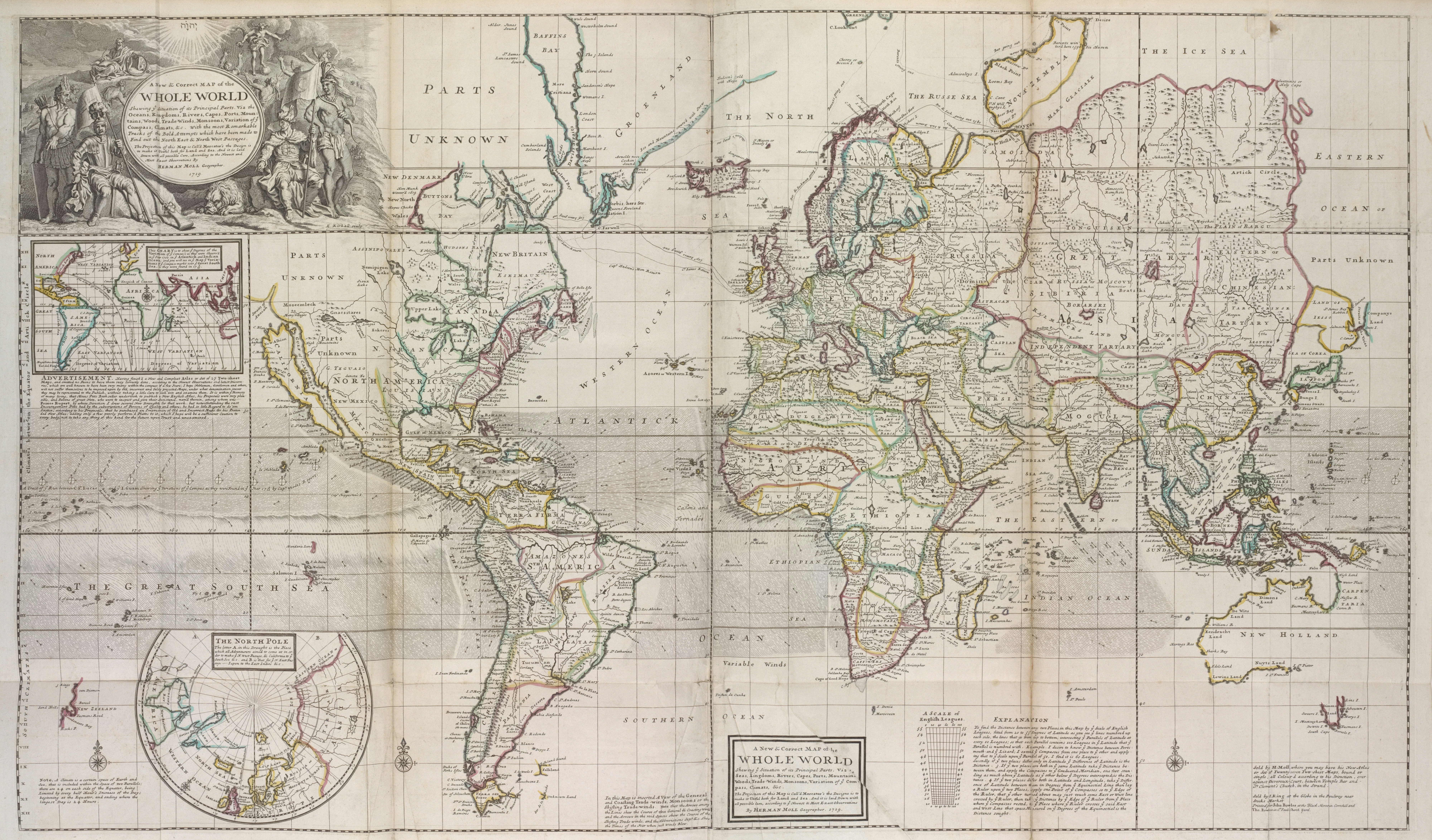
Imagine if the whole world were reduced to a village of 100 people. What would it look like? How might you reach it?
In 1990, an environmental scientist and writer first framed this thought experiment by asking “who lives in the global village?” While keeping the proportions of ethnic, religious, and socioeconomic differences intact, she scaled the world’s population down to 1,000. Since then, many have taken her work and shrunk the village down to 100.
I recently saw a friend post about this concept on social media and decided to ask my AI assistant Claude to run the numbers. So let’s imagine every person on earth living in the same town — all eight billion lives compressed into one hundred neighbors. If you were a resident of this global village, here’s what you could expect.
Understanding the Global Village
First, most of your neighbors are Asian — 59 of the 100. Eighteen are from Africa. Ten have come from Europe. Eight are from Latin America, the Caribbean, and Oceania. How many would be from the United States and Canada? Five. That’s it. Just five members of the global community are from the “western world.”
Second, Christianity would be the largest religion, but perhaps not in the way you’d expect. Most Christians in this village aren’t from North America — they’re from where most people are from: Asia, Africa, and Latin America. In the global village, there are 31 Christians, 25 Muslims, 15 Hindus, and 7 Buddhists. Six practice folk or traditional religions. Sixteen describe themselves as unaffiliated or secular.
Third, most of your neighbors are struggling financially. Seventy of the 100 live on less than $12 per day — nine survive on less than $2.15, and another 29 are considered low income. Thirty-two are lower-middle class. Ten people effectively control 85% of the village’s wealth.
Fourth, there is a massive education gap. Twenty-five neighbors never finished primary school, and fourteen never received any formal education. The most common level of attainment is a high school diploma, held by 29 villagers. Fourteen are illiterate. The village has just 9 university graduates.
Fifth, most villagers would be offline. Though daily life feels deeply digital, that wouldn’t be true for nearly half the citizens. Among the other half, most own a smartphone, and only 34 have a personal computer.
Reaching the Global Village
The typical person on earth is not wealthy, not Western, not online, and not college-educated. They are more likely to be Asian than any other ethnicity, more likely to earn under $12 a day than over it, and more likely to practice a religion than not.
That’s the village. Those are our neighbors. So how do we reach them?
This hits close to home, because I work for an organization called Scholar Leaders. Let me step outside the village metaphor for a moment to explain our work.
At Scholar Leaders, we work with extraordinarily gifted Christian leaders serving on the front lines of the church’s fastest growth — and amidst its greatest need — in densely populated cities and rural villages across Asia, Africa, and Latin America. The need there isn’t just more pastors. It’s well-trained pastors. We equip these leaders with the resources they need and clear the obstacles in their way, so they can do all that God has called them to do — in their own countries, among their own people.
Back to the global village. It would be naive and arrogant to think God’s work in reaching the world would be limited to those five citizens from the United States and Canada. Yet those five villagers steward as much as 40% of the global economy. What if, instead of treating global mission primarily as an exercise in Westerners learning the languages and cultures of their neighbors, we partnered with our Asian, African, and Latin American Christian sisters and brothers who are already serving the Lord?
What if we used the resources God has blessed us with to remove obstacles and provide strategic support for them?
I recently posted about this on Facebook, and a local pastor expressed frustration over the loss of control in global missions. “Our money and resources go where our people go,” he wrote. When I pointed out that the church is growing nearly 13 times faster in Asia, Africa, and Latin America than in North America, he retorted that their growth is because of our leadership in missions.
It isn’t. There are extraordinarily gifted Christian leaders across Asia, Africa, and Latin America who could teach us — the five Westerners in the global village — a great deal about God’s kingdom. Let’s learn. Let’s listen. Let’s support them.
Understanding our place in the global village should instill humility, gratitude, and excitement about the work God is doing among our sisters and brothers around the world. If you’d like to support that work, I wholeheartedly encourage you to check out Scholar Leaders.
What can a financial gift accomplish?
For $50, you can provide an entire digital library for a student — resources from top Christian publishers and videos from leading professors. For $3,000, you can scholarship a student in Vietnam to attend Bible College for a full year. And if you’re a church leader, a $5,000 annual gift lets you join our global cohort to help fund PhD scholarships for leaders in Asia, Africa, and Latin America, equipping them to train generations of new ministers in their home countries.
To give, click here. To learn more about our ministry or any of these opportunities, email me at ddewitt@scholarleaders.org. Let’s be good neighbors in our global village, for the glory of God.

