Right now, on five continents, nine men and women are sitting in classrooms and libraries, wrestling with Scripture in ways that will shape their churches for decades. They’re not doing it merely for a diploma to hang on a wall. They’re doing it because their churches are facing real questions, and they’ve been entrusted to navigate the answers.
In Khartoum, Sudan, Shandenii pastors a congregation and lectures in New Testament studies at the Nile Theological College, while directing the Evangelical Cultural Centre. His dissertation on the Gospel of Luke isn’t an academic exercise — he’s asking how the Sudanese Church, fractured by years of conflict, can find a more unified path forward.
Peniel is digging into Old Testament wisdom literature, particularly Ecclesiastes and Proverbs, to understand what these ancient reflections on mortality can still teach believers about moral discernment today. It’s research that sounds abstract until you remember every pastor eventually has to counsel someone through grief.
Steven, a licensed social worker and pastor from Taiwan, is pursuing a PhD in systematic theology at Wycliffe College, University of Toronto. His question is pastoral wearing academic clothes, “how can the doctrine of the Trinity help churches function in healthier ways?”
In Vietnam, Truong Tran is equipping the next generation of Christian leaders toward evangelism and discipleship that’s biblically faithful and culturally sensitive. His research looks at something concrete — how congregations of the Evangelical Church of Vietnam can turn their buildings into sacred spaces that actually serve their communities.
Dayrin Cardona Cruz, a theology professor in Guatemala with degrees spanning theology and physics, is studying at Oxford how God’s purpose intersects with our understanding of time — through a distinctly Latin American lens.
Joseph Louis teaches Pastoral Care at the Evangelical Theological Seminary in Cairo. His PhD research at the London School of Theology is developing a theology of disability for Egyptian and Arab Christian communities — scholarship aimed at helping churches welcome and integrate people with disabilities rather than merely tolerate them.
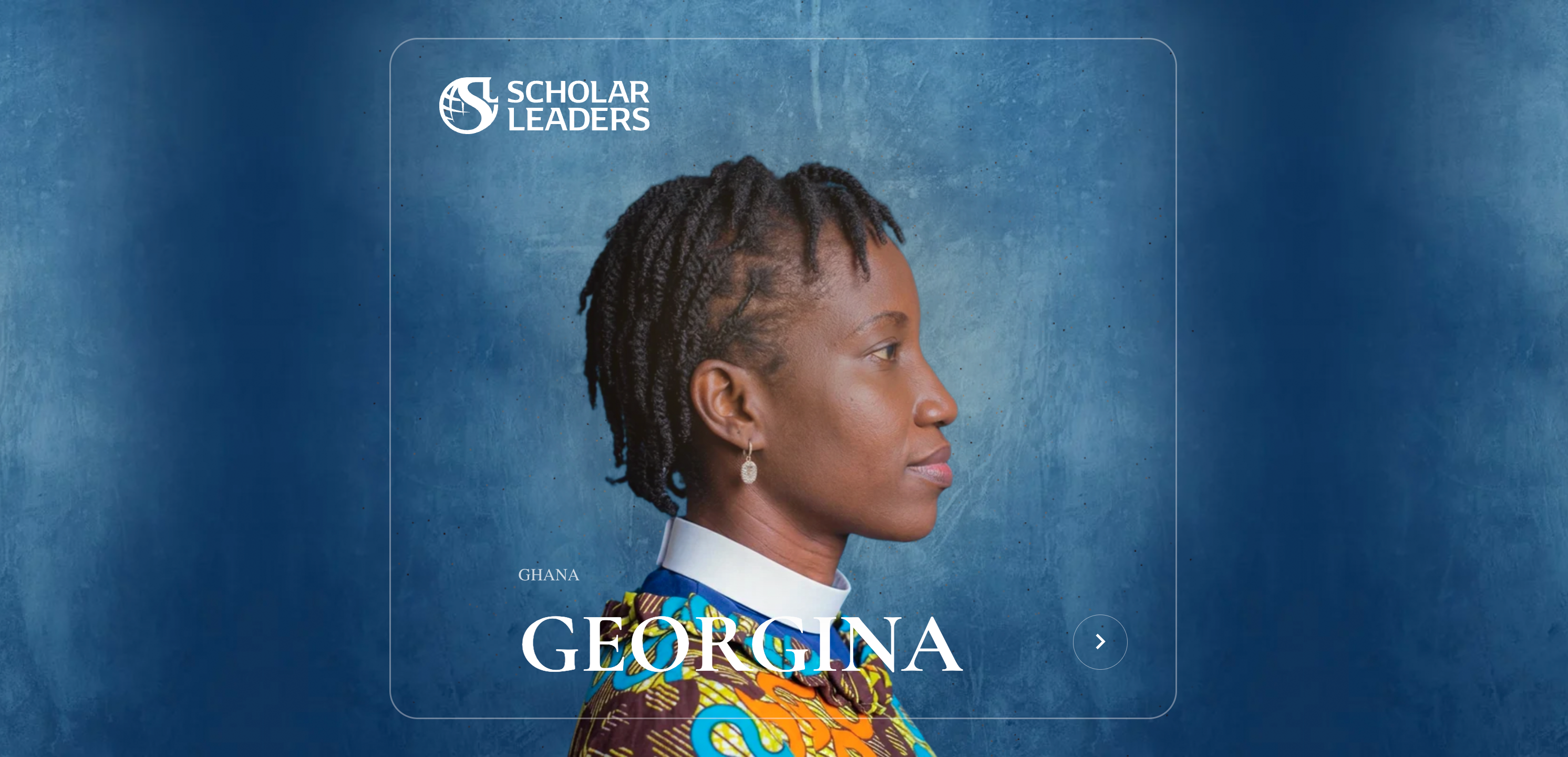
Georgina Kwanima Boateng, an ordained minister in Ghana and a creative writer, is researching how corruption harms both the environment and women in her country, with a goal of handing the church policy tools it can actually use to promote human flourishing.
Miguel Reyes from El Salvador is combining eschatology and beauty in the Pauline epistles to reimagine what justice means for the Latin American Church — not just correction, but the restoration of life, dignity, and virtue.
And in Medellín, Colombia, Jennifer Porras Pabón leads the Research Division at the Biblical Seminary of Colombia while pursuing her own PhD on how Old Testament justice can inform her country’s social programs.
Not one of these nine set out to build a personal brand. Each is already leading — pastoring, teaching, directing institutions — and each recognized that their church’s hardest questions deserved more than a quick answer. They went back to school not to leave ministry, but to go deeper into it.
That’s the whole idea behind Scholar Leaders. The global Church doesn’t need outside experts parachuting in with prepackaged solutions. It needs leaders from within — Sudanese, Vietnamese, Ghanaian, Colombian, Salvadoran, Egyptian, Guatemalan, Taiwanese leaders — asking their own hard questions and building the theological foundations their own churches will stand on for generations.
Nine scholars. Nine countries. One conviction. Rigorous, faithful scholarship, rooted in local context, is one of the most strategic investments for the future of the global Church. If that conviction is one you share, consider partnering with these scholars through a gift to Scholar Leaders. You can read more about each leader and watch video introductions here.

