Here’s something I want to say carefully but clearly: there is a fundamentalism of deconstruction just as real as the fundamentalism people are fleeing. I know that might sound a bit confusing. Stay with me.
The old fundamentalism said: here are the answers, don’t ask questions, certainty is the mark of faithfulness, and doubt means you’re losing your faith. It policed the borders of acceptable belief and made curiosity feel like sin.
The new fundamentalism does the same thing from the other direction. It says: here are the questions you’re supposed to have, here’s the journey you’re supposed to take, anyone who still holds traditional beliefs is naive or traumatized or hasn’t thought hard enough. It trades one form of social pressure for another, one set of approved responses for another. It’s just as rigid, just as tribal, just as allergic to genuine nuance.
And I think a lot of people who are in the middle of this process sense it, which is why they feel stuck. They can’t go back to what they had, but the online deconstruction communities feel like they’re just walking into a different kind of cage.
Real intellectual honesty isn’t guaranteed by which direction you’re traveling. You can arrive at unbelief just as unreflectively as you arrived at belief. The antidote to bad certainty isn’t performative doubt. It’s genuine humility. The kind that can sit with hard questions without needing the questions themselves to become an identity.
If you left a community where you were only allowed to have approved feelings about faith, be careful you don’t join a community where you’re only allowed to have approved feelings about doubt.
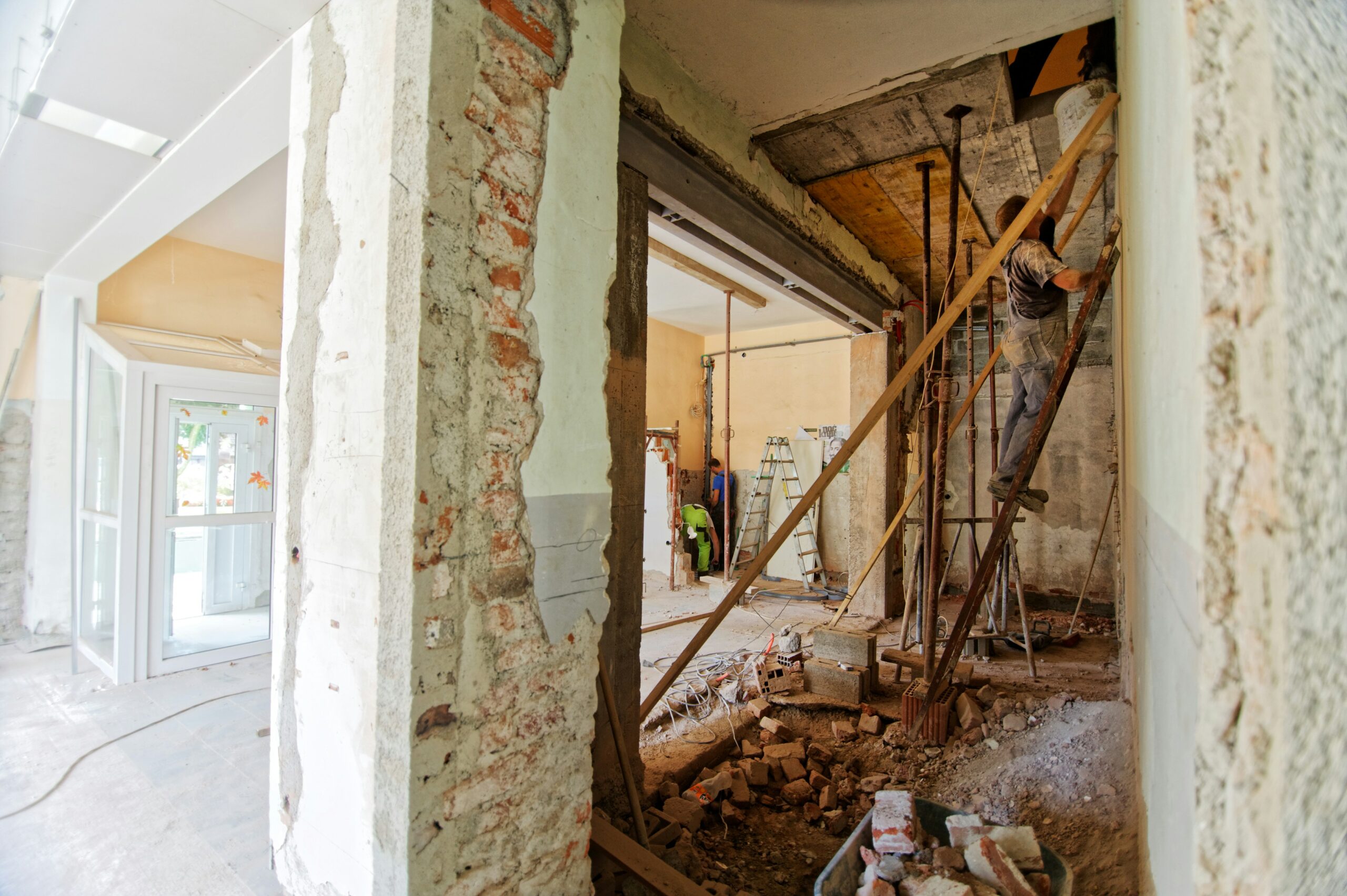
Here’s the thing about demolition: it’s always supposed to be in service of something else. You don’t tear down walls because you love rubble. You tear down walls because you’re building something better.
Deconstruction is a means. Reconstruction is the goal.
And I think this is where a lot of people in the middle of this process lose their footing, because deconstruction gives you the satisfying feeling of progress without requiring you to commit to anything. Every week there’s a new thing to question, a new certainty to unsettle, a new layer of the old system to critique. It can feel like movement. But movement in a circle is just a slower way of standing still.
Does this process mean leaving your church or denomination? Not necessarily. Personally, I’d be more comfortable in a Baptist church that recognizes its fundamentalist tendencies and is actively moving away from them than in one that’s doubling down and won’t admit it.
At some point, the question isn’t what are you leaving? It’s what are you building?
That’s a harder question. It requires you to actually put something on the table and say: I think this is true. Which means being wrong is possible. Which means the vulnerability isn’t just behind you, back in the system you walked away from — it’s ahead of you, in the beliefs you’re going to have to be willing to stake something on.
That’s what faith actually is. Not the comfortable certainty of the system you inherited. Not the comfortable solidarity of the deconstruction community. But the willingness to say: I think this is real, and I’m going to live like it is, knowing I could be wrong. That’s because you’re renovating, not just tearing down aimlessly. You’re building something.
You’re still following Jesus, even though the process can be messy. Costly. Because deep down, you still believe it’s worth it.
 Check out my new podcast Why I’m Not, a journey of verbal processing and theological reflection upon my experience in and through Christian fundamentalism.

